What it feels like to watch a game at the Tokyo Dome

One of the biggest venues in the world’s biggest city, the Tokyo Dome has hosted everything from bowl games to Buster Douglas. After spending 30 hours here over the last three days, a few observations:
The Egg is no spring chicken

Not exactly the Cowboys Stadium JumboTron.
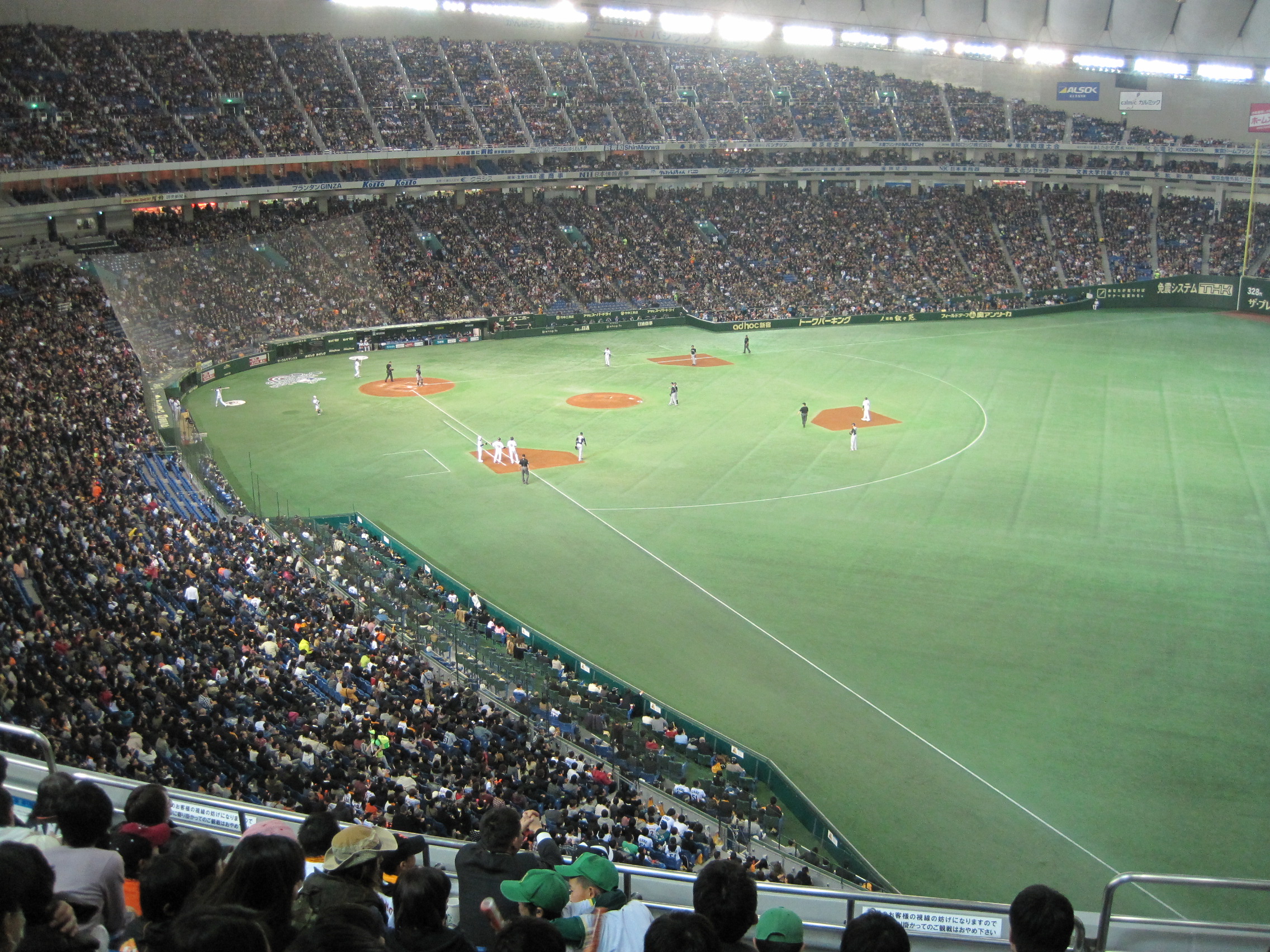
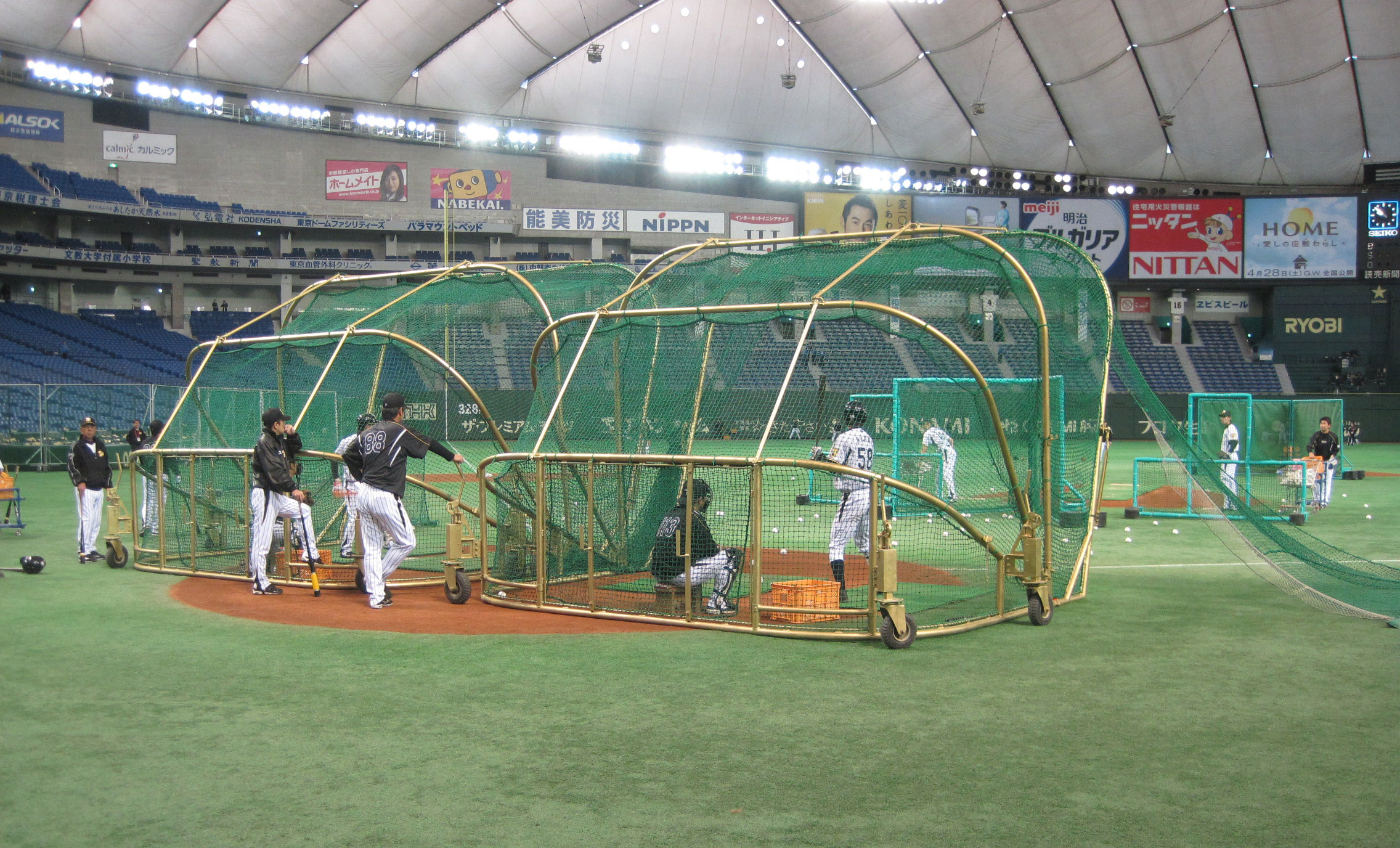
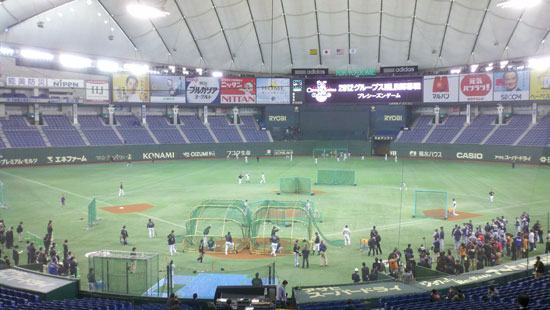
Completed in 1988, the Big Egg is of the same era as Tropicana Field, Rogers Centre and the late Landshark/Sun Life/Pro Player/Joe Robbie Stadium. That’s probably not a group of parks that’ll be emulated whenever the next retro craze hits. Lacking both the high-tech amenities of newer stadiums and the charm of older yards, the Dome features a lot of painted concrete walls and narrow staircases. The center field scoreboard is decidedly standard definition. The playing surface is one step up from Astroturf. The baggy, air pressure-supported roof looks nearly identical to the one that collapsed at the Metrodome a few years ago.
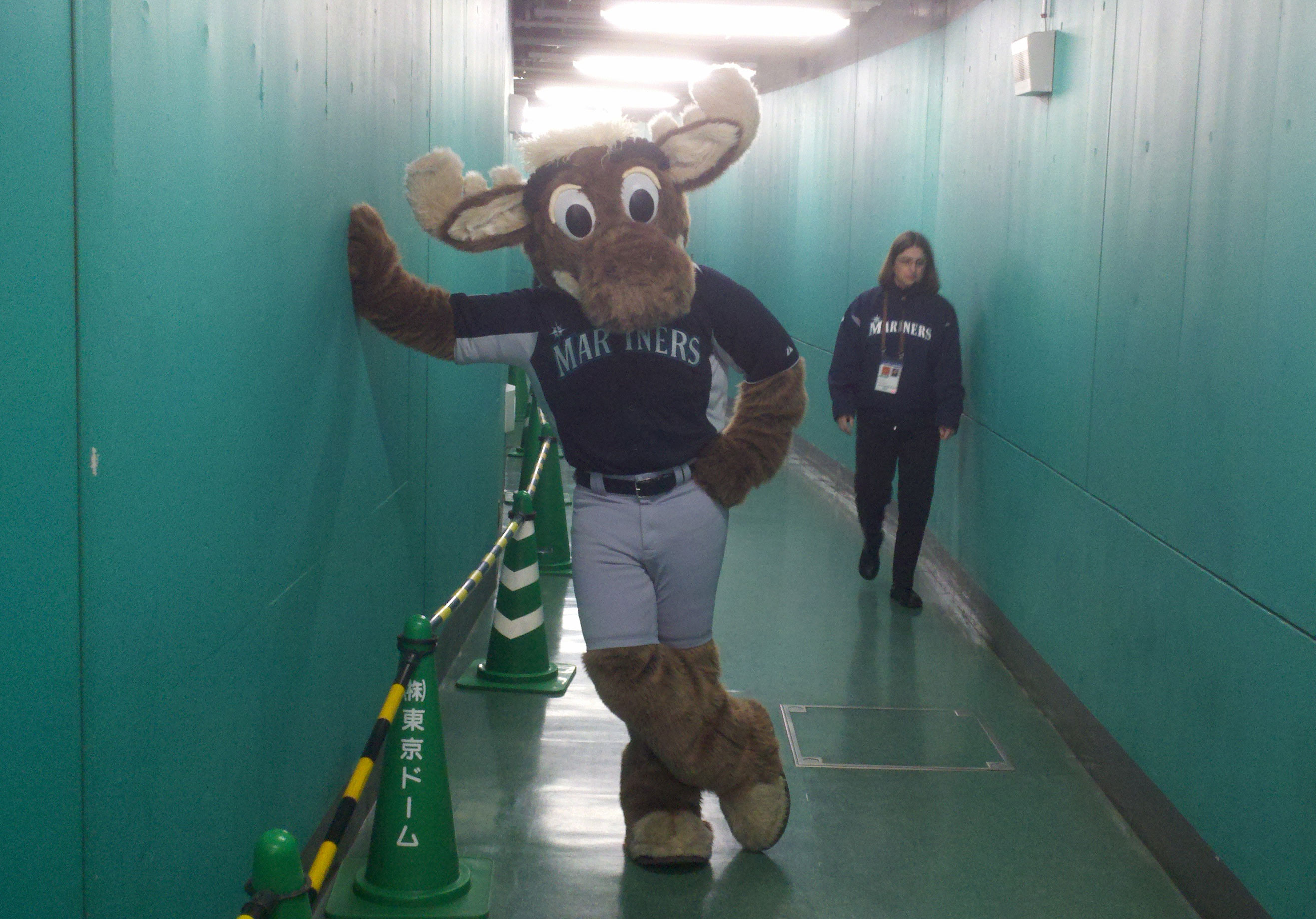
Terrifying creatures lurk in the bowels of Big Egg.
A suite level located between the lower bowl and the upper deck is the lone exception. Recently renovated with seats that pass for stadium business class, a premium hot buffet (cost: 2,000 yen) serves a bougy-er crowd.

You can find me in the club ... seats.
Not a bad seat in the house
Like many older Major League parks, the Tokyo Dome’s seats are steep. I’m pretty sure you can actually fall off the edge of the earth from the third deck. The upside is that no matter where you sit, the infield seems relatively close. The dome roof may also add to that effect, as the place feels almost like an oversized gymnasium from behind home plate.
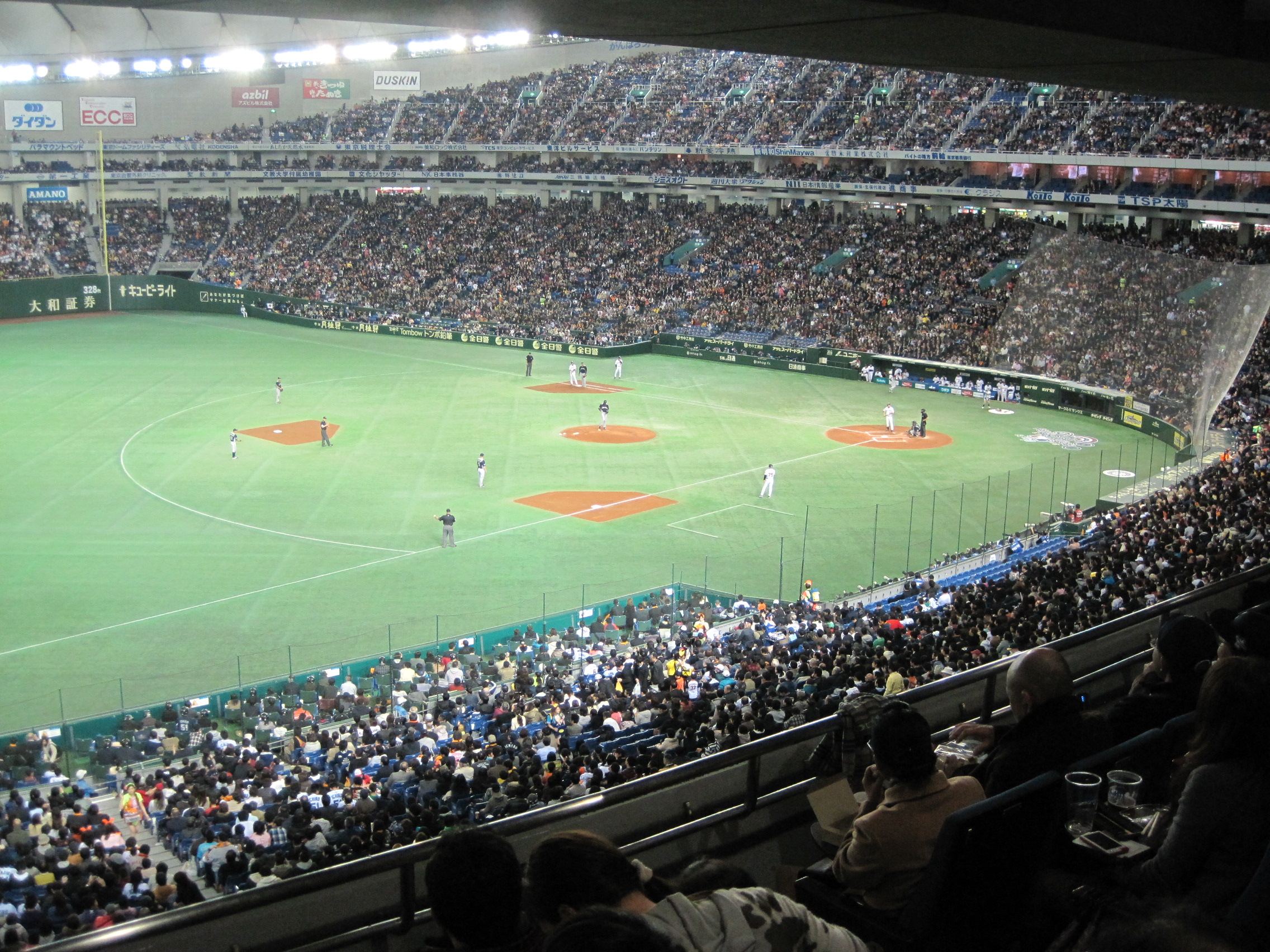
Safeco Field may have better sushi
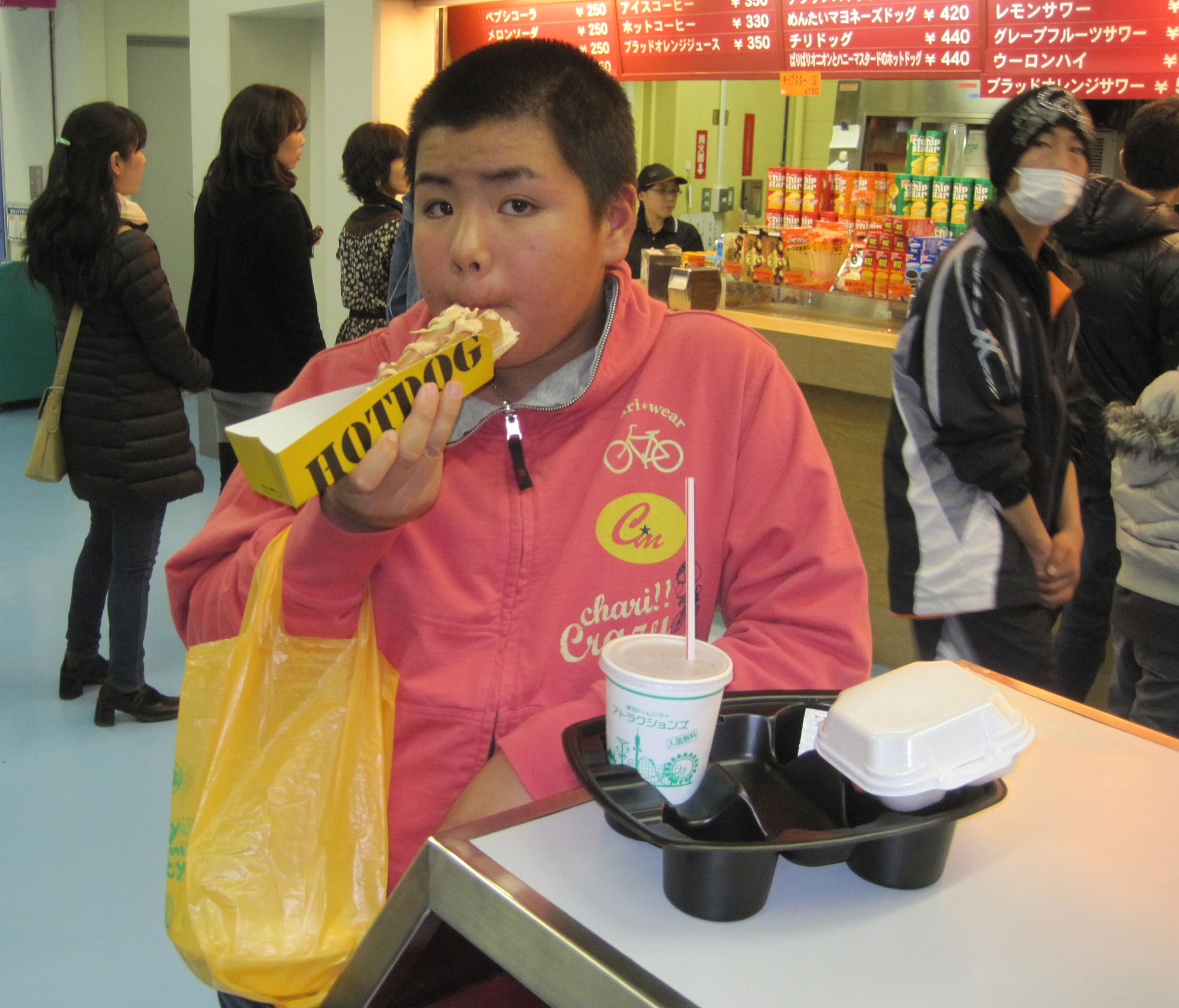
Like the rest of Tokyo, the Dome offers a combination of American favorites and traditional Japanese fare. I didn’t sample the KFC or Baskin-Robbins, but their menus looked pretty standard. Trying to take advantage of the international flavor, I also passed on hot dogs, burgers and fries. Sources tell me they were as expected, although the wieners featured some non-traditional toppings like hash browns, lettuce and a sweet pink sauce. Or maybe that’s what “Chicago style” means, I’m not sure.
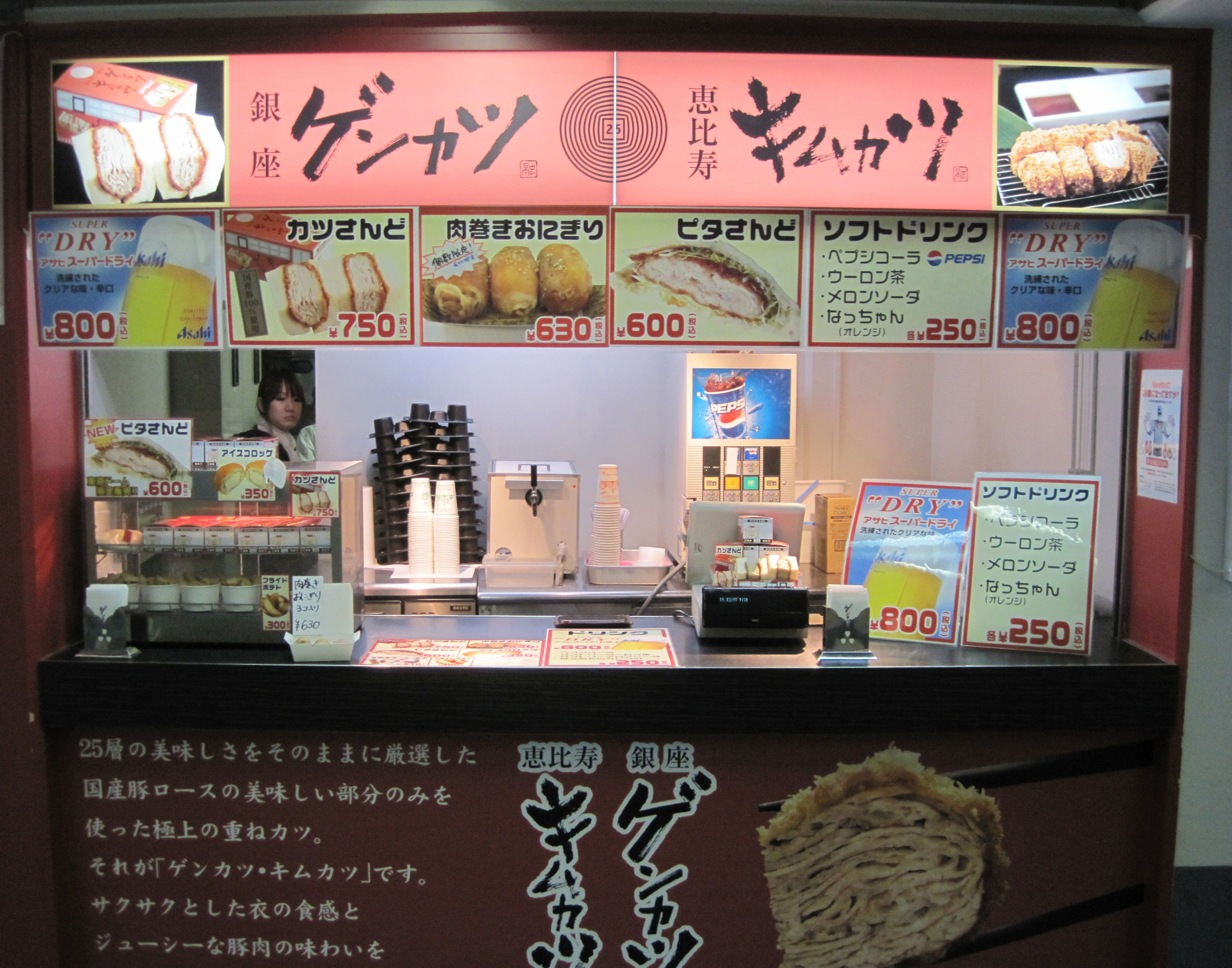
The Something Fried Stuffed Inside of Something Fried stand.
I did try some sushi, ramen noodles in soy sauce and beef curry over rice. At least I think that was beef — none of the menus had English translations, so it was basically point and hope. The sushi seemed fresh enough but didn’t taste much better than standard US quality. I’m no food critic, but the noodles would have been subpar even for your average high school cafeteria. And while the beef curry didn’t give me food poisoning, there was a warning twinge in my stomach halfway through the bowl indicating danger ahead. I still had a few more bites — for journalism! — but things were touch-and-go for a minute there. So yeah, eat before you come.
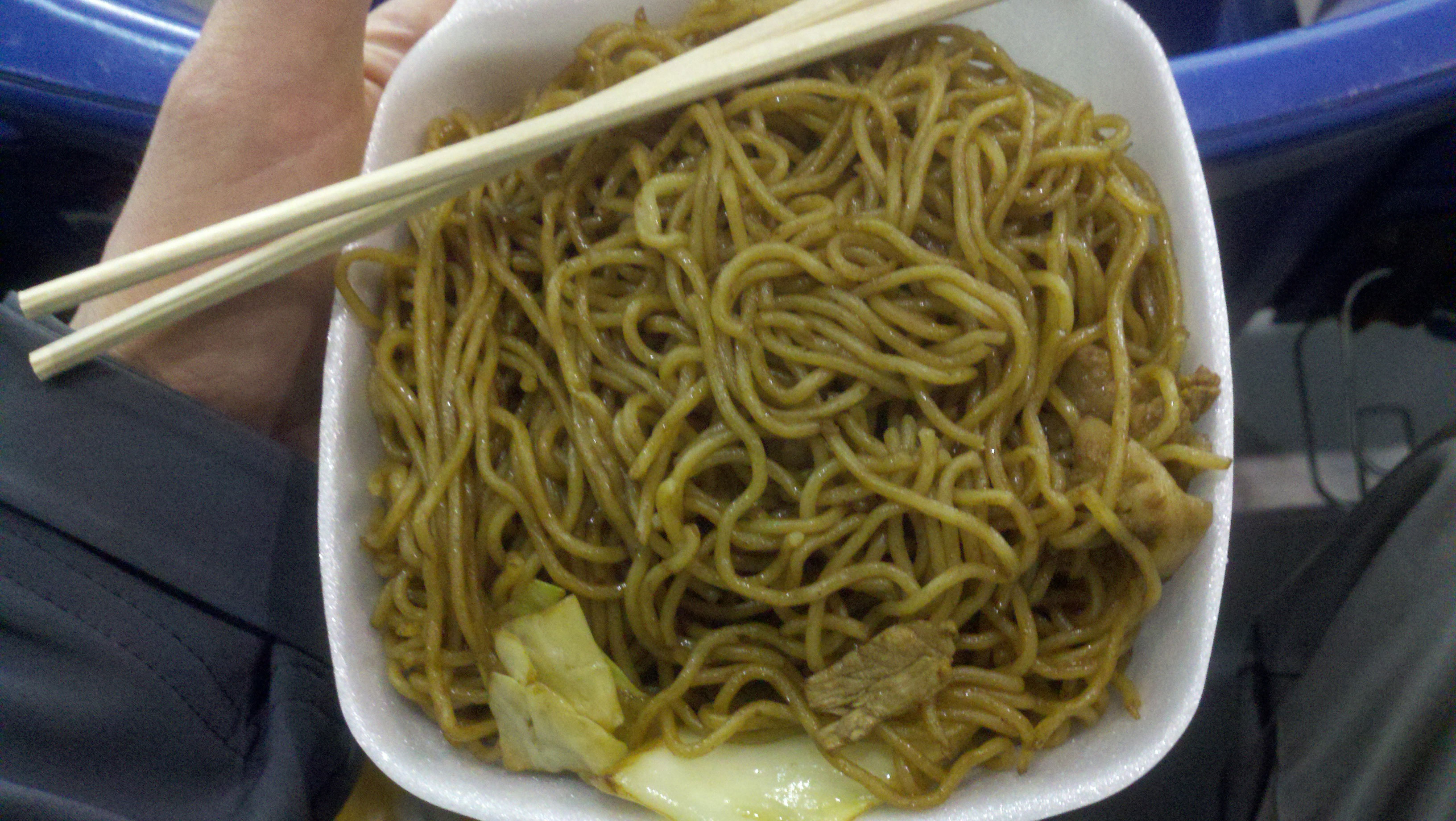
Just ... don't.
The band is back together
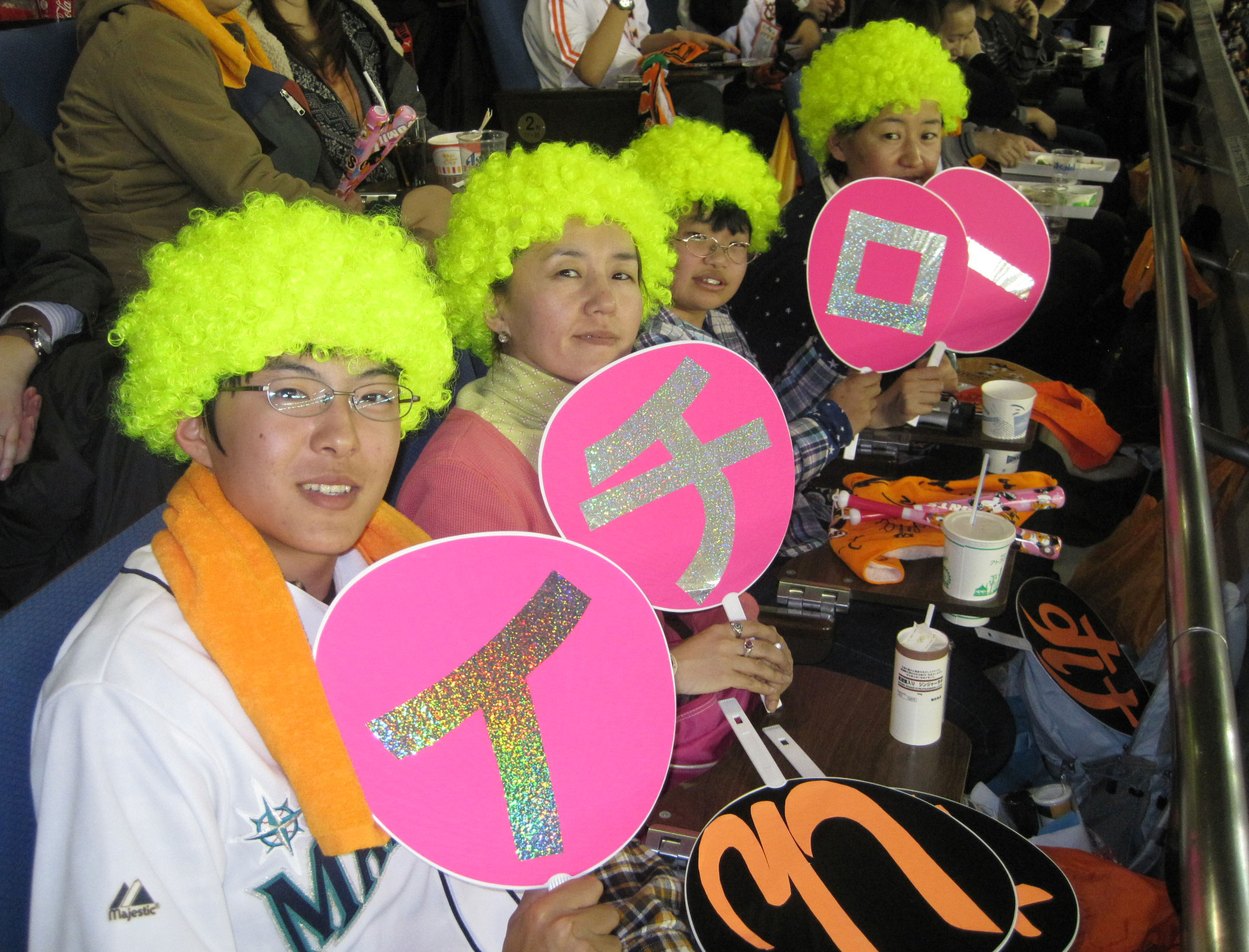
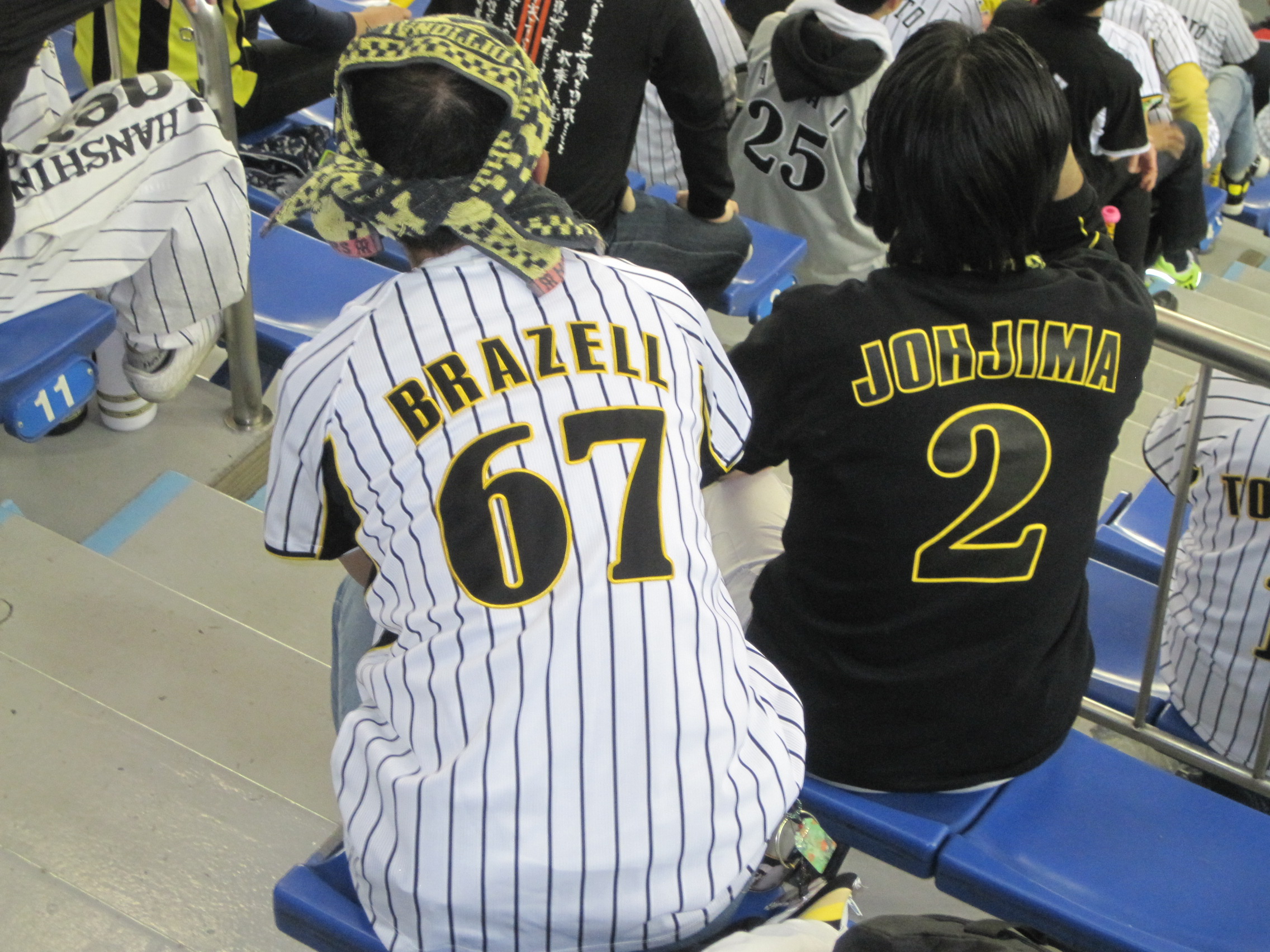
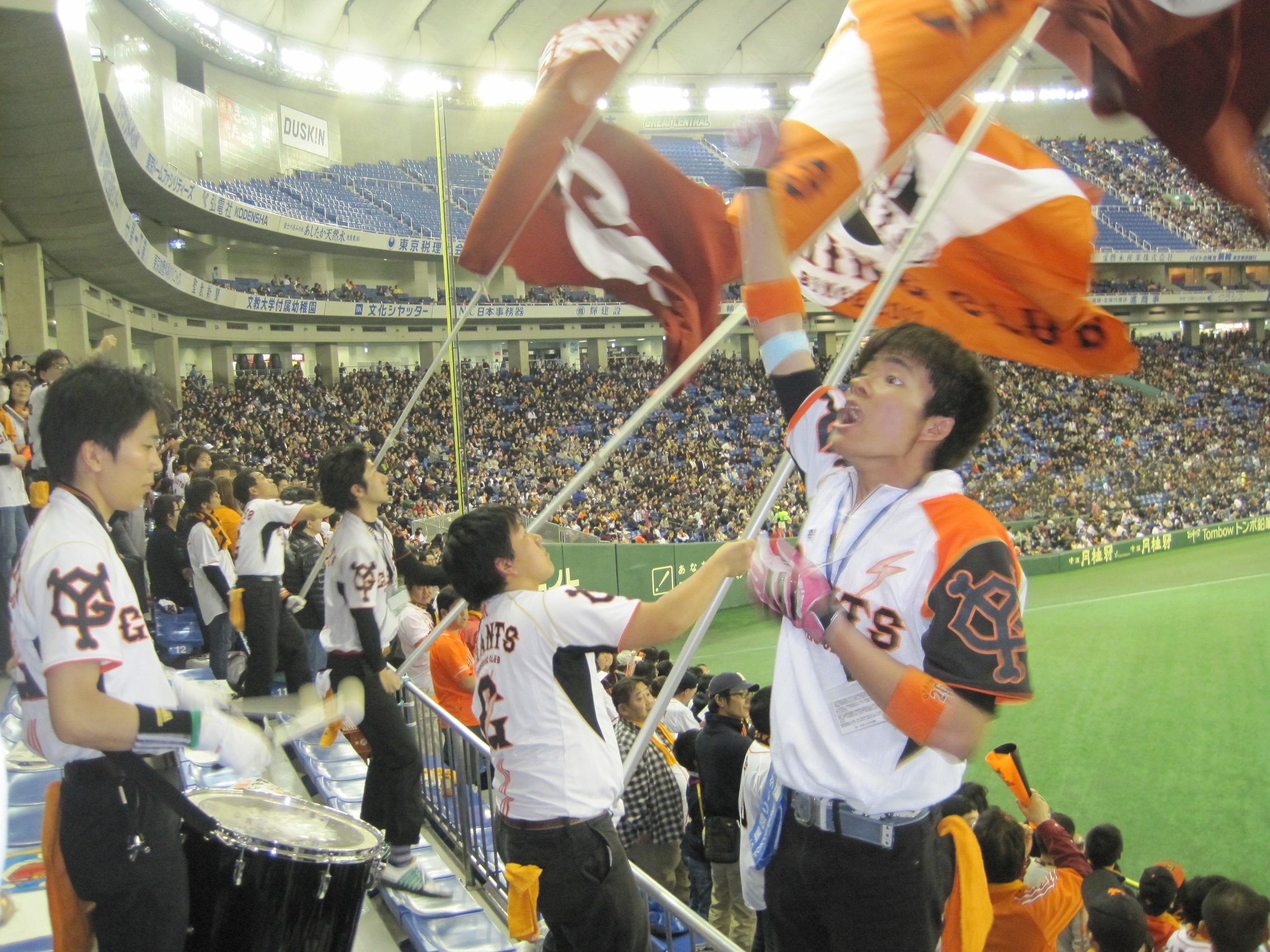
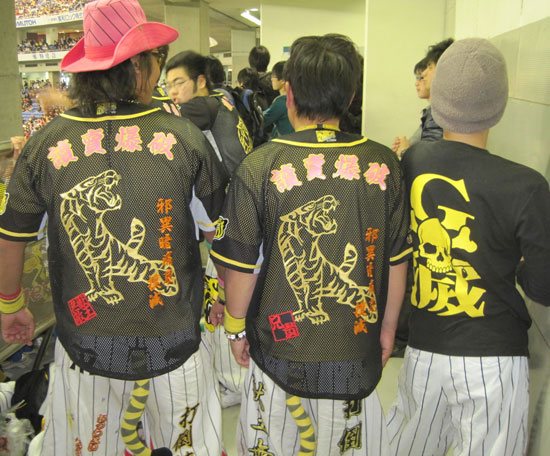
The golden age of domed baseball stadiums has likely come and gone, making it easy to forget the other great advantage of a roof overhead: The same way rain can’t get in, noise can’t get out. With fans in the outfield bleachers chanting continuously, the building feels packed even when it’s three quarters empty — what it lacked in population during Monday’s Oakland-Hanshin game was made up in echoes off empty plastic seats. The thump of a bass drum in the outfield bleachers reverberates throughout the entire dome and walk-up music rains from roof speakers at house concert volume. The dueling band effect when rivals Hanshin and Yomiui play each other is probably Euro soccer-esque.
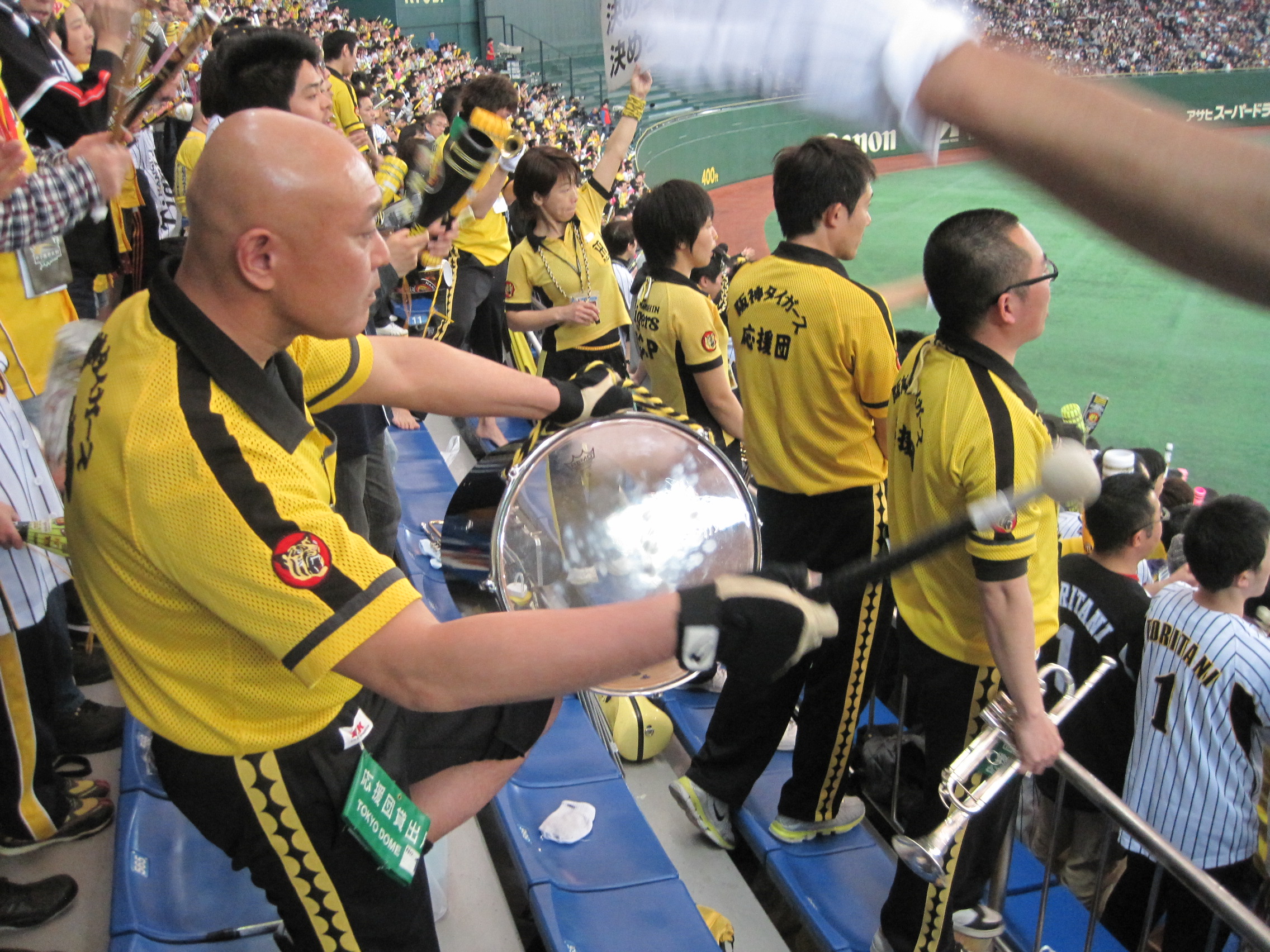
Bang the drum loudly and nonstop.
The beer vendors are an upgrade
“What if we put a keg in a backpack?” It’s the question every college freshman has asked their bros while trying to get those cute girls on the third floor to come to “a pretty chill pregame” in their dorm room. Well, the Tokyo Dome asked it in reference to beer vendors, and the results are spectacular. Instead of cracking a tall boy for each customer, vendors here strap on a backpack with a mini-keg inside — like the Heineken ones — and pour customers fresh droughts right in the aisle. And rather than middle-aged, beer-gutted beeeeahhhhh heaaaaaaahhhhs hawking suds, every vendor at the Dome is young, female and dressed for summer. There’s no yelling, either. Raise your hand like you’re hailing a cab and a traveling bartender will be at your service within seconds.
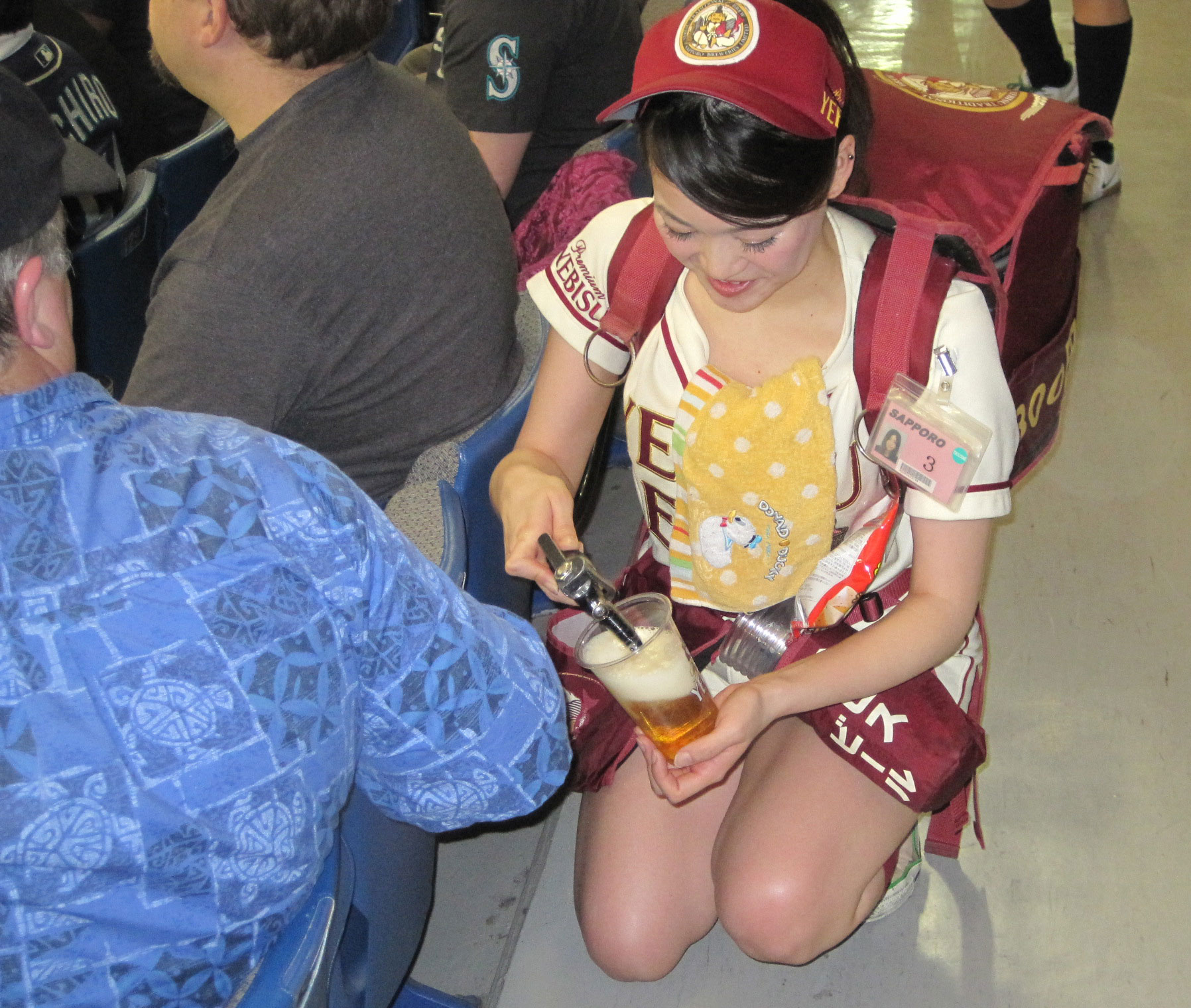
You don't even know how creepy I felt taking this photo.
Safety first, and second, and third, and …
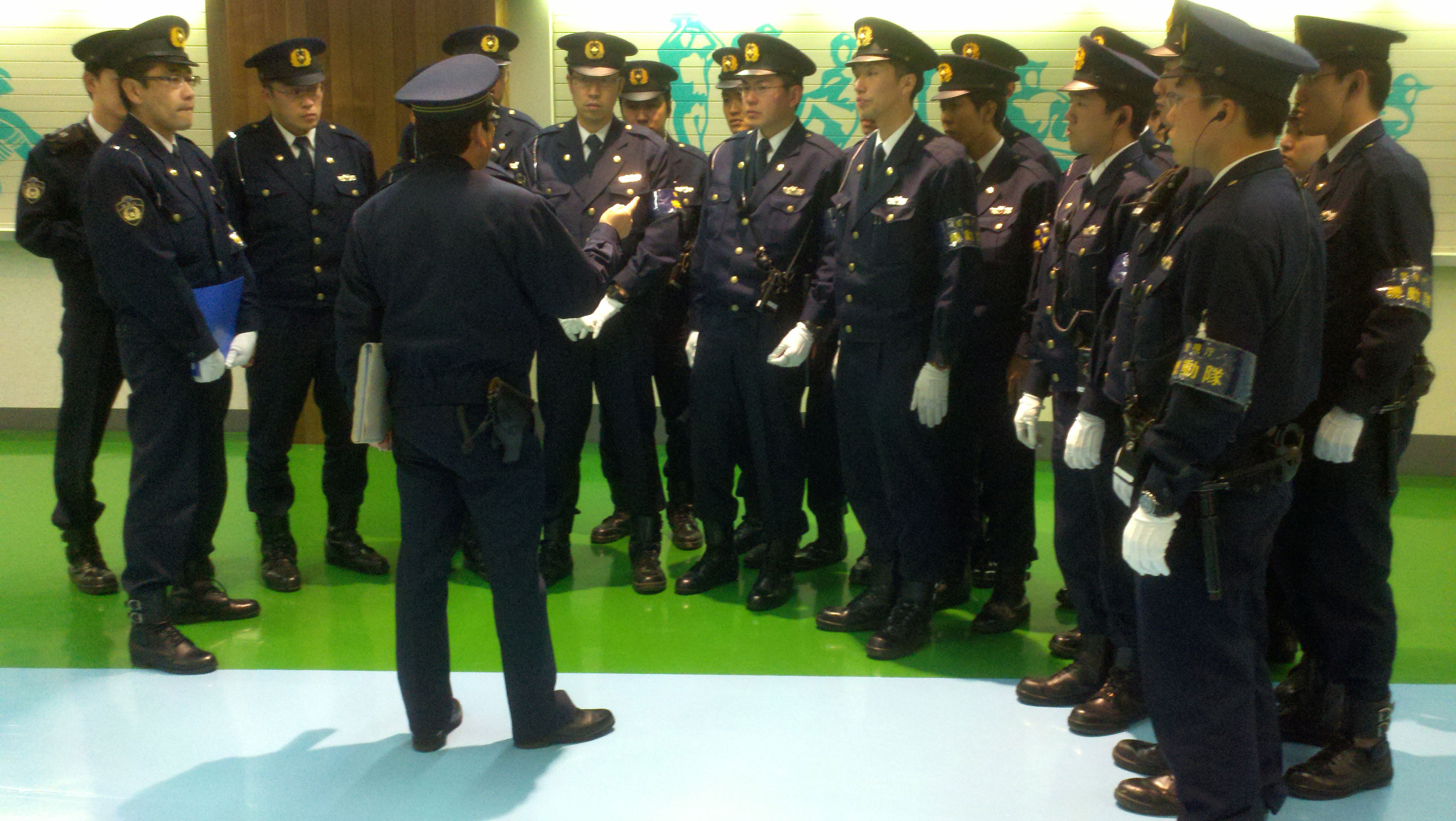
Tokyo Dome security ... or casting call for an NYPD Blue remake?
Despite Tokyo’s near-complete lack of street crime and a fanbase that couldn’t be politer, it’s hard to turn around in the Dome without bumping into a security officer. Event staff in dark blue uniforms are posted atop nearly every section and at regular intervals on the concourse. More patrol the aisles and walkways while at least a half-dozen mingle around every major entrance. And this is in addition to the ushers in light blue jackets who check tickets and direct fans to their seats. The funny thing is that the stadium has way fewer restrictions than most MLB parks. I walked from the media section to the first row behind home plate and watched an inning unimpeded. Stood in the aisle and shot five minutes of video, no problem. Entered and left the stands in the middle of many at-bats with just a polite head bow from the blue-shirts.
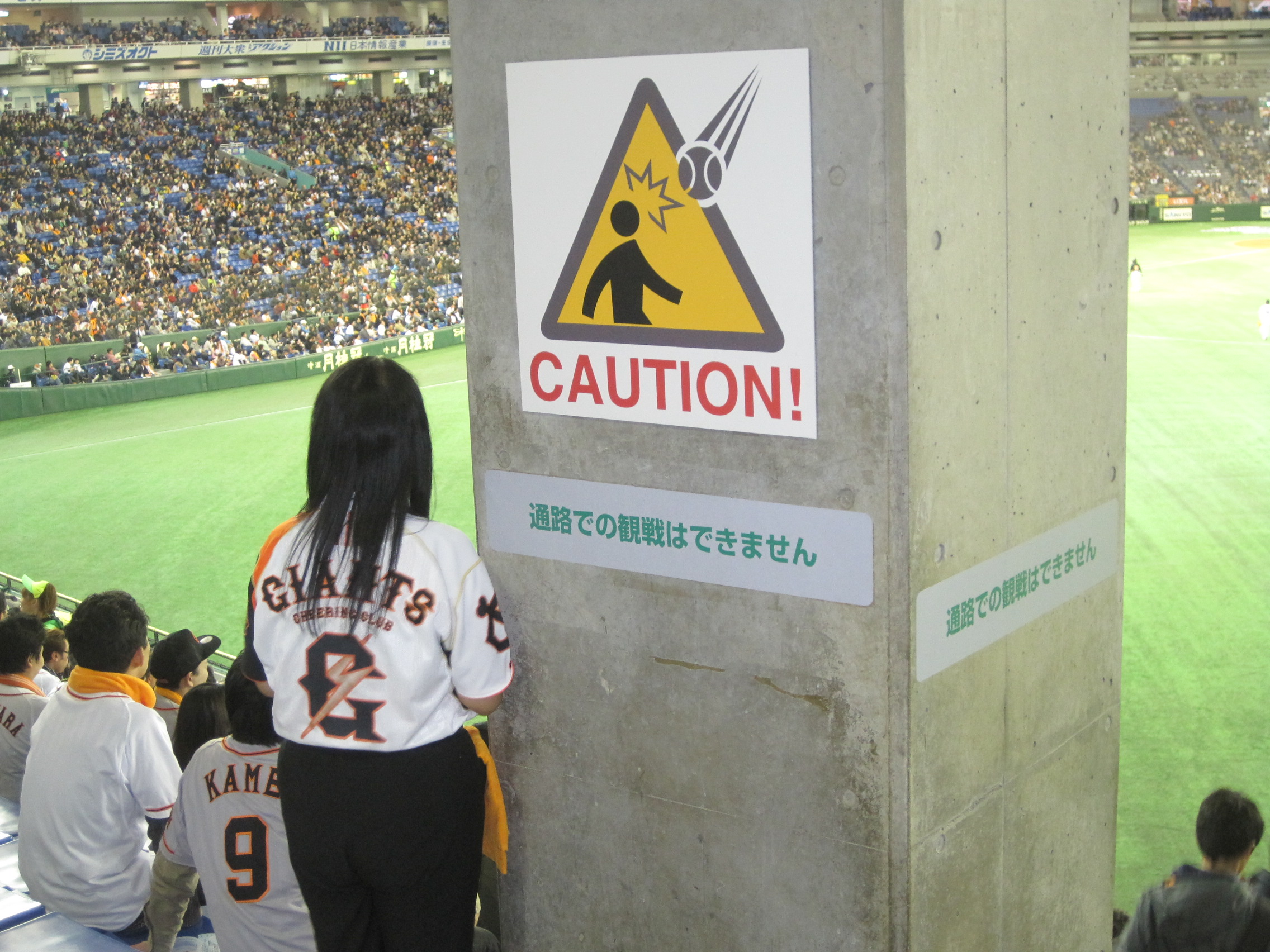
Caution -- do not attempt header save on flying baseballs!
So what does this army do? As far as I can tell, two things. Whenever a ball is hit over the protective netting that runs from foul pole to foul pole, all ushers and security in the area — and there are usually many — blow their whistles as a warning. It’s like a squadron of over-intense but well-intentioned gym teachers. And during pregame warmups, following a stern pep talk from a commander type, they perform a full emergency situation drill. Ushers walk down each aisle in unison flapping their arms and telling 42,000 empty seats to remain seated. Security officers calmly call out instructions from bullhorns to an imaginary sellout crowd. It’s eerie, but I guess practice during batting practice makes perfect.
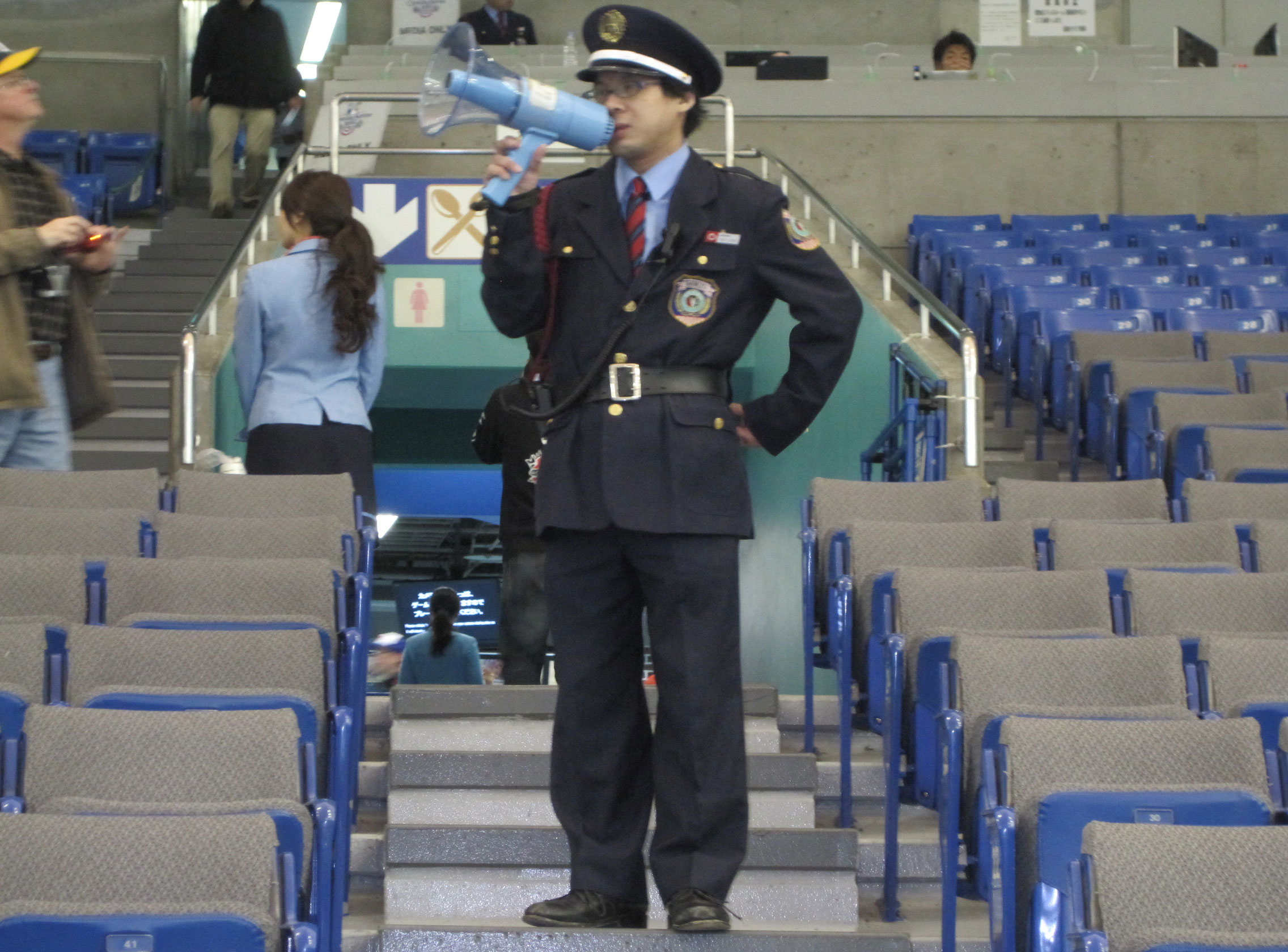
"If there is an earthquake, you will all probably ignore me and sprint for the exits."
And one other thing
The toilet seats are heated.




 Far East Division